Maine Approves Rule Restricting PFAS in Consumer Products
✴︎ April 11, 2025

On April 7, 2025, Maine approved a rule limiting the use of intentionally added PFAS in products like cookware, cosmetics, and textiles, effective January 1, 2026. Exceptions apply to certain outdoor gear and vehicle components. Manufacturers must apply for “currently unavoidable use” (CUU) exemptions by June 1, 2025. Proposals must justify why safer alternatives aren’t available, especially given similar PFAS bans in states like Minnesota.
USDA Scientists Banned from Using Key Environmental Terms, Including PFAS, Leaked Memo Reveals
✴︎ April 10, 2025
A leaked memo from the USDA’s Agricultural Research Service lists 110 banned words, including “PFAs,” “clean water,” and “climate change,” reportedly in compliance with Trump administration executive orders. Critics, including Rep. Chellie Pingree of Maine, call the move “absurd,” warning it could jeopardize vital research funding and hinder scientific progress on critical agricultural and environmental issues.
Hemp Explored as Natural Solution for PFAS Cleanup in Maine
✴︎ April 8, 2025
In Maine, hemp is being tested as a natural way to clean up PFAS from contaminated soil. Researchers and farmers are experimenting with different strains and growing conditions to improve its effectiveness. While early results are promising, challenges remain, including safe disposal of contaminated plants and the slow pace of cleanup. More research is needed before hemp can be used on a larger scale.
Maine Purchases First PFAS-Contaminated Farm, Plans Future Acquisitions
✴︎ March 6, 2025
Maine has purchased its first farm with PFAS contamination, acquiring a 108-acre property in Palermo for $333,000. The land was contaminated by sewage sludge applied since the late 1990s, leading to high PFAS levels. The state plans to lease the property for growing less PFAS-absorptive crops, with any revenue going back into the PFAS fund. Two more contaminated properties are expected to be acquired in the coming months.
Maine Considers Bill to Set PFAS Limits in Farm Produce and Support Contaminated Farms
✴︎ February 6, 2025
Lawmakers in Maine are considering a bill, LD 130, which would set limits on PFAS chemicals in produce grown by the state’s farmers and establish a permanent PFAS response program.
This program, which supports impacted farms with financial aid, research, land buyouts, and other services, could make Maine the first state to set PFAS thresholds for certain foods. The bill comes in response to widespread PFAS contamination affecting farms across the state, and it aims to ensure the safety of farm products while providing a model for other states.
PFAS in Maine can travel from stream to ski trail through snowmaking
✴︎ January 12, 2025
Harmful and persistent forever chemicals that accumulate in some water bodies can be sprayed onto slopes by machine, but the extent of the risk is unknown.
photo from PPH. Research out of Colby College explores the connection between ski wax and PFAS in soil and water.
Aroostook researchers focus on how PFAS might affect farmland
✴︎ December 16, 2024
Researchers in Aroostook County say early studies have revealed unsafe levels of forever chemicals, commonly known as PFAS, in waterways used for irrigating crops:
Researchers up in the county, including Randy Martin and the Central Aroostook Soil and Water District, have been studying four waterways around the former Loring Air Force Base where AFFF (fire-fighting foam) had been used for decades during the time that the base was active.
Struggling to adapt
✴︎ December 12, 2024
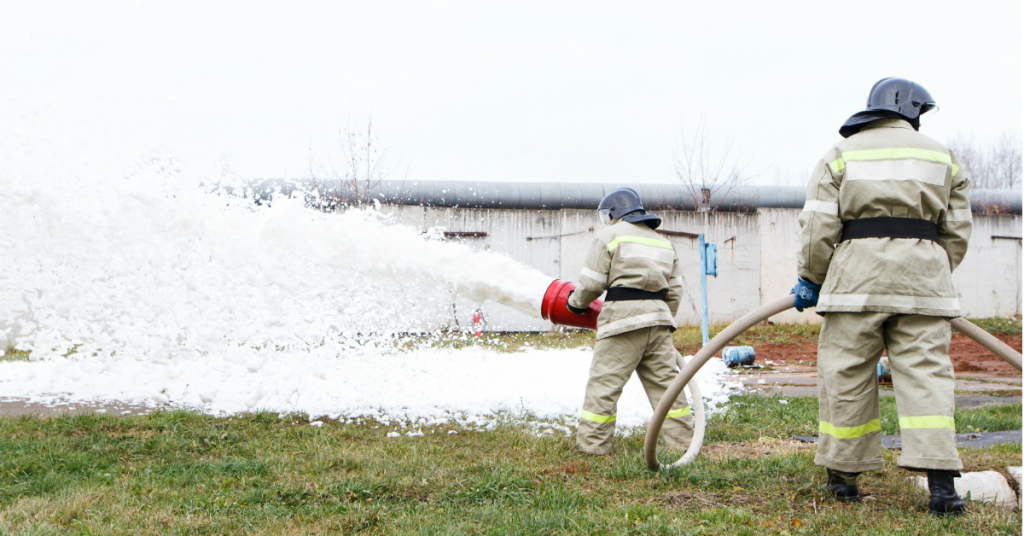
Facing toxic exposure from turnout gear and firefighting foam, firefighters need support to reduce risks:
Marina Schauffler presents the third article in her series, A Fire Hose of ‘Forever Chemicals,’ a comprehensive look at the impacts of PFAS, in both fire-fighting foam and in protective gear, on fire fighters across Maine. More than 90 percent of Maine’s fire departments are staffed mostly or entirely by volunteers, and these departments face added challenges reducing PFAS exposure to firefighters.
Struggling to adapt
✴︎ December 12, 2024
Facing toxic exposure from turnout gear and firefighting foam, firefighters need support to reduce risks:
Marina Schauffler presents the third article in her series, A Fire Hose of ‘Forever Chemicals,’ a comprehensive look at the impacts of PFAS, in both fire-fighting foam and in protective gear, on fire fighters across Maine. More than 90 percent of Maine’s fire departments are staffed mostly or entirely by volunteers, and these departments face added challenges reducing PFAS exposure to firefighters.
Maine Approves Rule Restricting PFAS in Consumer Products
✴︎ April 11, 2025
On April 7, 2025, Maine approved a rule limiting the use of intentionally added PFAS in products like cookware, cosmetics, and textiles, effective January 1, 2026. Exceptions apply to certain outdoor gear and vehicle components. Manufacturers must apply for “currently unavoidable use” (CUU) exemptions by June 1, 2025. Proposals must justify why safer alternatives aren’t available, especially given similar PFAS bans in states like Minnesota.
USDA Scientists Banned from Using Key Environmental Terms, Including PFAS, Leaked Memo Reveals
✴︎ April 10, 2025
A leaked memo from the USDA’s Agricultural Research Service lists 110 banned words, including “PFAs,” “clean water,” and “climate change,” reportedly in compliance with Trump administration executive orders. Critics, including Rep. Chellie Pingree of Maine, call the move “absurd,” warning it could jeopardize vital research funding and hinder scientific progress on critical agricultural and environmental issues.
Hemp Explored as Natural Solution for PFAS Cleanup in Maine
✴︎ April 8, 2025
In Maine, hemp is being tested as a natural way to clean up PFAS from contaminated soil. Researchers and farmers are experimenting with different strains and growing conditions to improve its effectiveness. While early results are promising, challenges remain, including safe disposal of contaminated plants and the slow pace of cleanup. More research is needed before hemp can be used on a larger scale.
Maine Purchases First PFAS-Contaminated Farm, Plans Future Acquisitions
✴︎ March 6, 2025
Maine has purchased its first farm with PFAS contamination, acquiring a 108-acre property in Palermo for $333,000. The land was contaminated by sewage sludge applied since the late 1990s, leading to high PFAS levels. The state plans to lease the property for growing less PFAS-absorptive crops, with any revenue going back into the PFAS fund. Two more contaminated properties are expected to be acquired in the coming months.
Maine Considers Bill to Set PFAS Limits in Farm Produce and Support Contaminated Farms
✴︎ February 6, 2025
Lawmakers in Maine are considering a bill, LD 130, which would set limits on PFAS chemicals in produce grown by the state’s farmers and establish a permanent PFAS response program.
This program, which supports impacted farms with financial aid, research, land buyouts, and other services, could make Maine the first state to set PFAS thresholds for certain foods. The bill comes in response to widespread PFAS contamination affecting farms across the state, and it aims to ensure the safety of farm products while providing a model for other states.
PFAS in Maine can travel from stream to ski trail through snowmaking
✴︎ January 12, 2025
Harmful and persistent forever chemicals that accumulate in some water bodies can be sprayed onto slopes by machine, but the extent of the risk is unknown.
photo from PPH. Research out of Colby College explores the connection between ski wax and PFAS in soil and water.
Aroostook researchers focus on how PFAS might affect farmland
✴︎ December 16, 2024
Researchers in Aroostook County say early studies have revealed unsafe levels of forever chemicals, commonly known as PFAS, in waterways used for irrigating crops:
Researchers up in the county, including Randy Martin and the Central Aroostook Soil and Water District, have been studying four waterways around the former Loring Air Force Base where AFFF (fire-fighting foam) had been used for decades during the time that the base was active.
Struggling to adapt
✴︎ December 12, 2024
Facing toxic exposure from turnout gear and firefighting foam, firefighters need support to reduce risks:
Marina Schauffler presents the third article in her series, A Fire Hose of ‘Forever Chemicals,’ a comprehensive look at the impacts of PFAS, in both fire-fighting foam and in protective gear, on fire fighters across Maine. More than 90 percent of Maine’s fire departments are staffed mostly or entirely by volunteers, and these departments face added challenges reducing PFAS exposure to firefighters.
Struggling to adapt
✴︎ December 12, 2024
Facing toxic exposure from turnout gear and firefighting foam, firefighters need support to reduce risks:
Marina Schauffler presents the third article in her series, A Fire Hose of ‘Forever Chemicals,’ a comprehensive look at the impacts of PFAS, in both fire-fighting foam and in protective gear, on fire fighters across Maine. More than 90 percent of Maine’s fire departments are staffed mostly or entirely by volunteers, and these departments face added challenges reducing PFAS exposure to firefighters.
Maine Approves Rule Restricting PFAS in Consumer Products
✴︎ April 11, 2025
On April 7, 2025, Maine approved a rule limiting the use of intentionally added PFAS in products like cookware, cosmetics, and textiles, effective January 1, 2026. Exceptions apply to certain outdoor gear and vehicle components. Manufacturers must apply for “currently unavoidable use” (CUU) exemptions by June 1, 2025. Proposals must justify why safer alternatives aren’t available, especially given similar PFAS bans in states like Minnesota.
USDA Scientists Banned from Using Key Environmental Terms, Including PFAS, Leaked Memo Reveals
✴︎ April 10, 2025
A leaked memo from the USDA’s Agricultural Research Service lists 110 banned words, including “PFAs,” “clean water,” and “climate change,” reportedly in compliance with Trump administration executive orders. Critics, including Rep. Chellie Pingree of Maine, call the move “absurd,” warning it could jeopardize vital research funding and hinder scientific progress on critical agricultural and environmental issues.
Hemp Explored as Natural Solution for PFAS Cleanup in Maine
✴︎ April 8, 2025
In Maine, hemp is being tested as a natural way to clean up PFAS from contaminated soil. Researchers and farmers are experimenting with different strains and growing conditions to improve its effectiveness. While early results are promising, challenges remain, including safe disposal of contaminated plants and the slow pace of cleanup. More research is needed before hemp can be used on a larger scale.
Maine Purchases First PFAS-Contaminated Farm, Plans Future Acquisitions
✴︎ March 6, 2025
Maine has purchased its first farm with PFAS contamination, acquiring a 108-acre property in Palermo for $333,000. The land was contaminated by sewage sludge applied since the late 1990s, leading to high PFAS levels. The state plans to lease the property for growing less PFAS-absorptive crops, with any revenue going back into the PFAS fund. Two more contaminated properties are expected to be acquired in the coming months.
Maine Considers Bill to Set PFAS Limits in Farm Produce and Support Contaminated Farms
✴︎ February 6, 2025
Lawmakers in Maine are considering a bill, LD 130, which would set limits on PFAS chemicals in produce grown by the state’s farmers and establish a permanent PFAS response program.
This program, which supports impacted farms with financial aid, research, land buyouts, and other services, could make Maine the first state to set PFAS thresholds for certain foods. The bill comes in response to widespread PFAS contamination affecting farms across the state, and it aims to ensure the safety of farm products while providing a model for other states.
PFAS in Maine can travel from stream to ski trail through snowmaking
✴︎ January 12, 2025
Harmful and persistent forever chemicals that accumulate in some water bodies can be sprayed onto slopes by machine, but the extent of the risk is unknown.
photo from PPH. Research out of Colby College explores the connection between ski wax and PFAS in soil and water.
Aroostook researchers focus on how PFAS might affect farmland
✴︎ December 16, 2024
Researchers in Aroostook County say early studies have revealed unsafe levels of forever chemicals, commonly known as PFAS, in waterways used for irrigating crops:
Researchers up in the county, including Randy Martin and the Central Aroostook Soil and Water District, have been studying four waterways around the former Loring Air Force Base where AFFF (fire-fighting foam) had been used for decades during the time that the base was active.
Struggling to adapt
✴︎ December 12, 2024
Facing toxic exposure from turnout gear and firefighting foam, firefighters need support to reduce risks:
Marina Schauffler presents the third article in her series, A Fire Hose of ‘Forever Chemicals,’ a comprehensive look at the impacts of PFAS, in both fire-fighting foam and in protective gear, on fire fighters across Maine. More than 90 percent of Maine’s fire departments are staffed mostly or entirely by volunteers, and these departments face added challenges reducing PFAS exposure to firefighters.
Struggling to adapt
✴︎ December 12, 2024
Facing toxic exposure from turnout gear and firefighting foam, firefighters need support to reduce risks:
Marina Schauffler presents the third article in her series, A Fire Hose of ‘Forever Chemicals,’ a comprehensive look at the impacts of PFAS, in both fire-fighting foam and in protective gear, on fire fighters across Maine. More than 90 percent of Maine’s fire departments are staffed mostly or entirely by volunteers, and these departments face added challenges reducing PFAS exposure to firefighters.